
 English
 中文简体
中文简体 русский
 日本語
日本語 Français
 Español
 عربى
عربىjp
段ボール用ベーラーとは何ですか? 1 日あたり 2 トンの段ボール端材を生成する包装工場は、よくある問題に直面しています。バラの段ボールは 2 日足らずで 40 ヤードのコンテナを埋め尽くし、廃棄物の運搬請求書は毎月高騰し、リサイクル請負業者はより密度の高い、よりクリーンな素材を要...
続きを読む船室スペースセーバー。船上での使用に適したコンパクトな構造で、家庭ゴミを効率的に処理して海洋汚染を防ぎます。
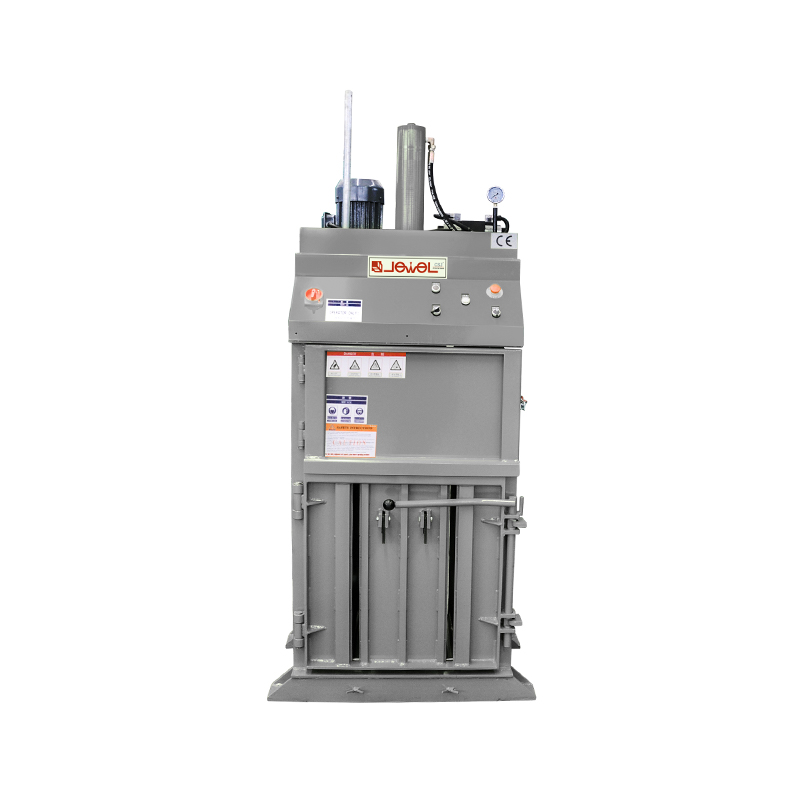
適用範囲:
もっと発見
ウィッシュリストに追加
追加した √
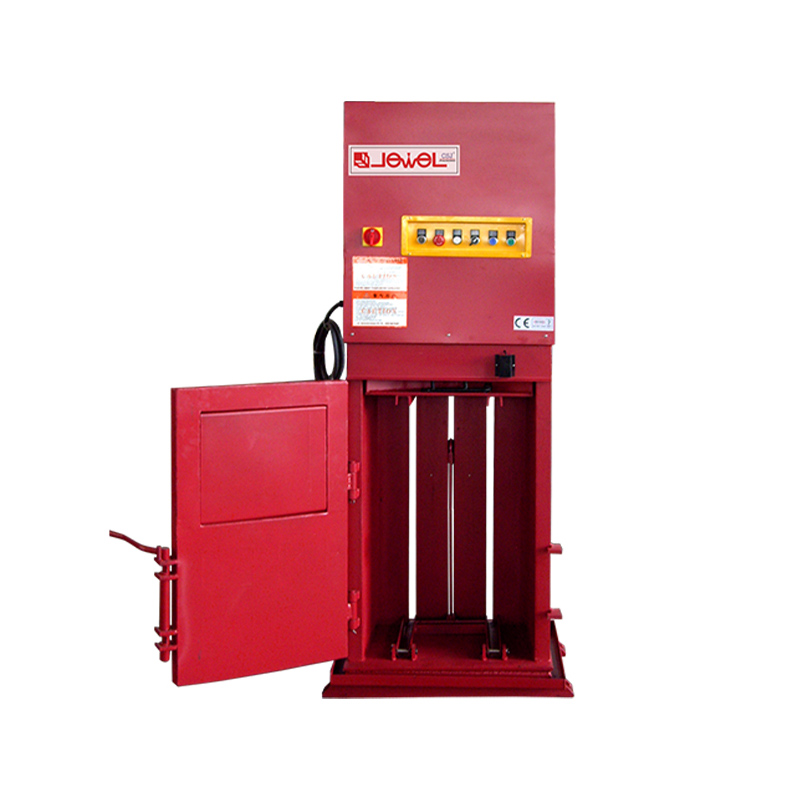
適用範囲:
もっと発見
ウィッシュリストに追加
追加した √
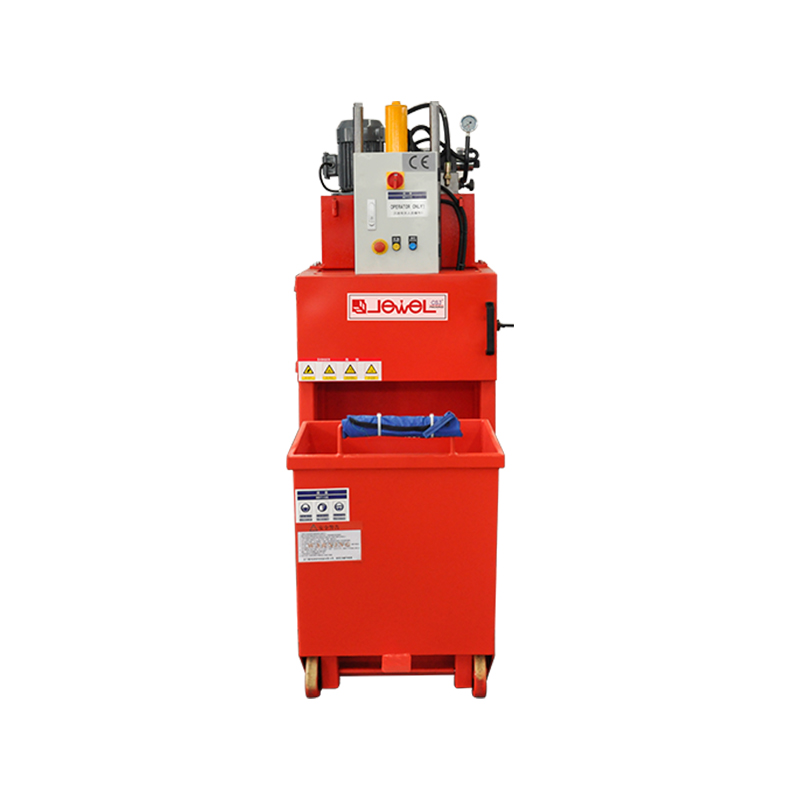
適用範囲:
もっと発見
ウィッシュリストに追加
追加した √
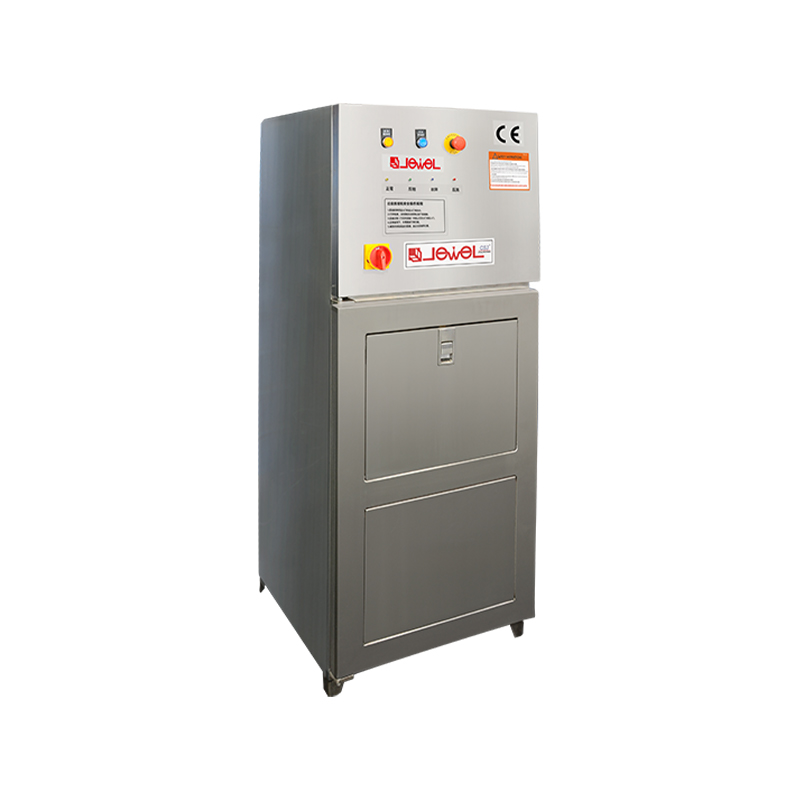
適用範囲:
もっと発見
ウィッシュリストに追加
追加した √
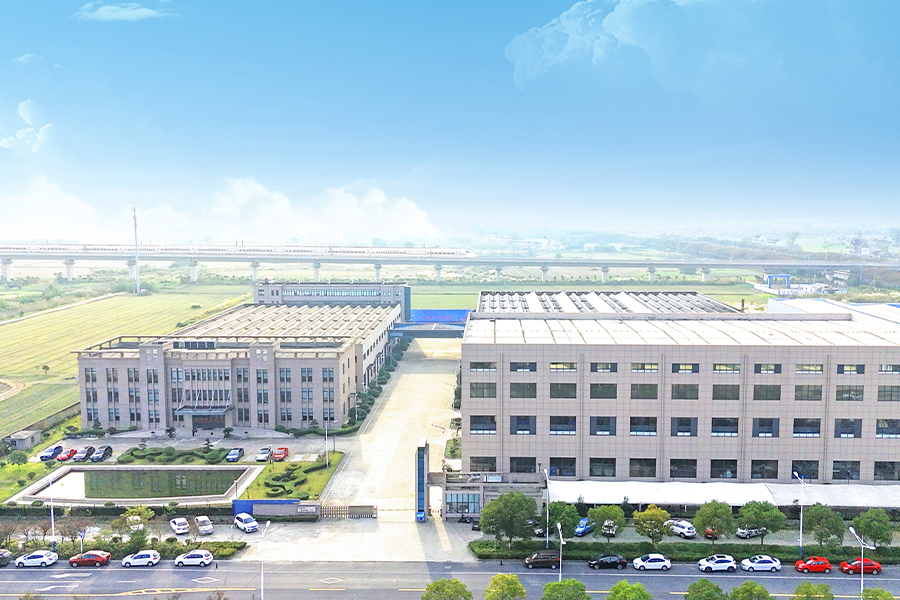
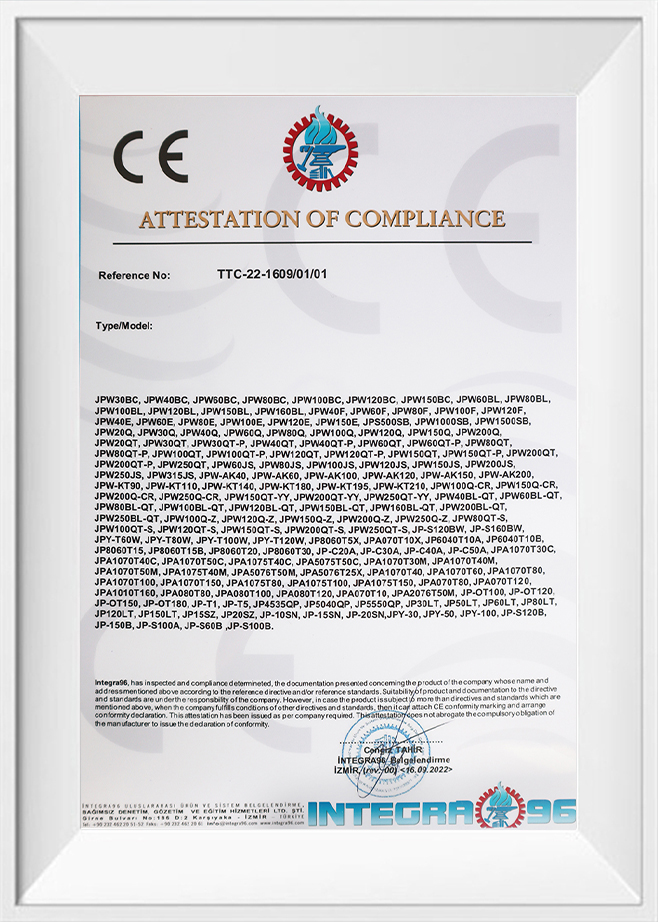
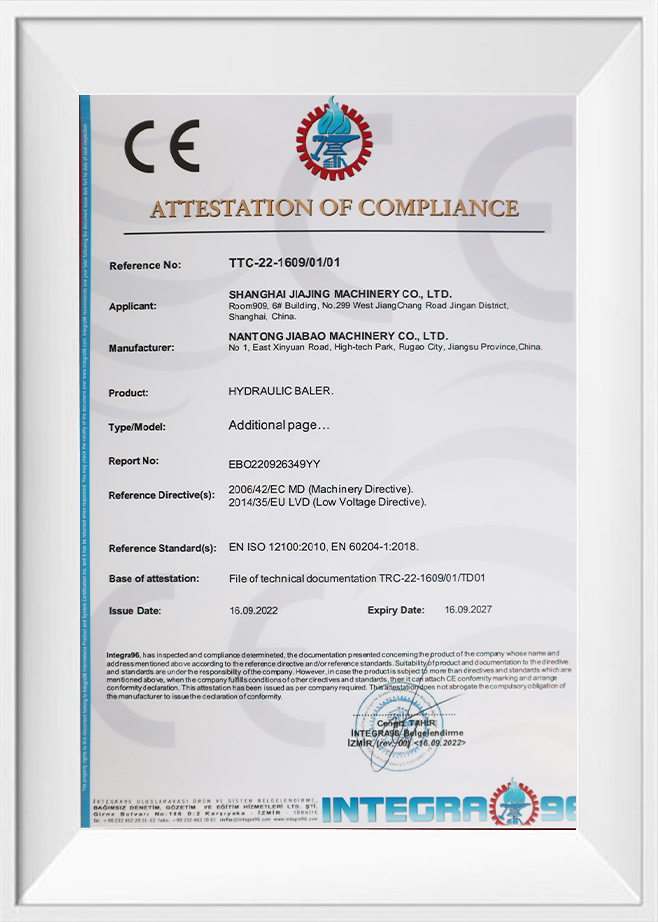
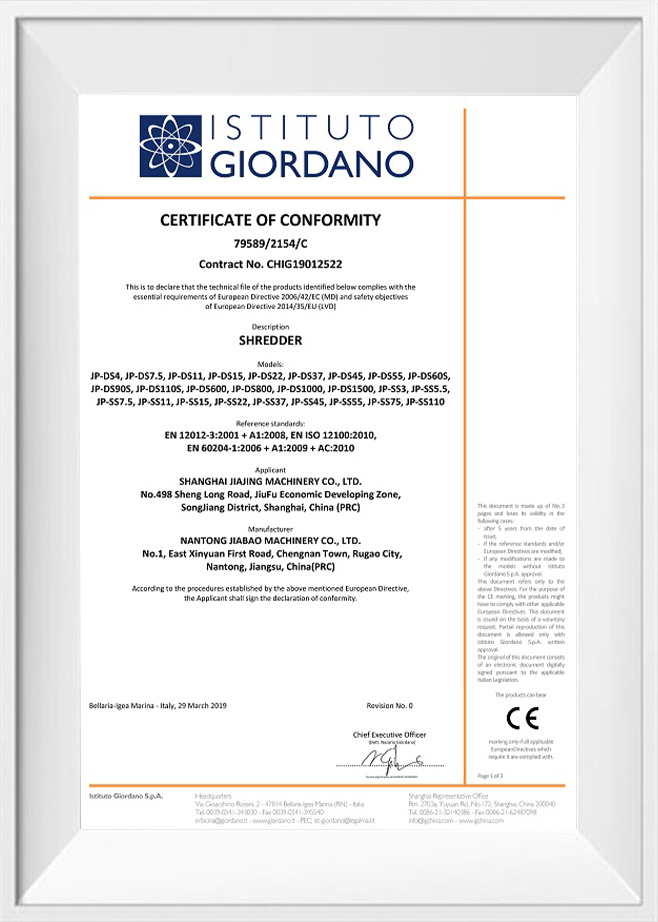
として 垂直マリンベーラー メーカー および 垂直マリンベーラー サプライヤー、Shanghai Jewel Tech Co., Ltd.は、2006年に設立され(ブランドは1995年に設立)、環境に優しいインテリジェントな圧縮・梱包装置の研究、開発、製造を専門としています。50,000平方メートルの近代的な生産施設と200人以上の専門家チームを誇ります。
豊富な製造経験を活かし、お客様に以下を提供します:
半自動/全自動圧縮・梱包機。さまざまな産業向けのインテリジェント廃棄物除去システム。自動圧縮・包装システム。統合型破砕・圧縮・梱包機。カスタマイズされた産業ソリューション。
段ボール用ベーラーとは何ですか? 1 日あたり 2 トンの段ボール端材を生成する包装工場は、よくある問題に直面しています。バラの段ボールは 2 日足らずで 40 ヤードのコンテナを埋め尽くし、廃棄物の運搬請求書は毎月高騰し、リサイクル請負業者はより密度の高い、よりクリーンな素材を要...
続きを読むまずは短い答えから 最近、段ボール工場の生産管理者が私に 2 枚の写真を見せてくれました。 1 つ目は、トラックに積み込まれるのを待っている、梱包された段ボールとプラスチックフィルムの壁でした。 2つ目は、食品で汚染された包装紙、濡れた紙、一般廃棄物であふれた開いた箱の列です。彼の質問は、私たち...
続きを読む大量の材料を圧縮するための横型ベーラー: 技術概要 大量のボール紙、プラスチックフィルム、繊維スクラップ、または金属切削片を生成する製造工場、配送センター、リサイクル施設は、生産ラインを遅らせることなく、かさばる廃棄物の流れを高密度で輸送可能な俵に減らすという、同じ繰り返しの運用上の課題に直面し...
続きを読む適切に設計された ベーラー機 廃棄物を圧縮するだけではなく、施設がスペース、労働力、外部物流を管理する方法が変わります。用途がボール紙、プラスチックフィルム、織物、金属容器のいずれであっても、適切なベール機械はシフトごとの処理時間を短縮し、ばらばらの材料を管理しやすい均...
続きを読むVertical marine balers are designed for waste compression tasks in environments where standard industrial conditions are not always present. Marine environments such as ships, ports, offshore platforms, and coastal facilities typically involve high humidity, elevated salinity, and continuous mechanical vibration caused by engine operation and wave motion. These conditions introduce additional challenges to mechanical systems, especially equipment involved in waste handling and compression. The operational stability of a vertical marine baler depends on structural reinforcement, corrosion resistance design, and hydraulic system reliability. Shanghai Jewel Tech Co., Ltd., with long-term experience in environmentally friendly and intelligent compression and baling equipment, applies engineering approaches that consider these environmental factors during equipment design and customization.
High humidity environments can influence both electrical and hydraulic components of baling equipment. Moist air may accelerate surface oxidation on metal parts if protective measures are insufficient, and it can also affect insulation stability in electrical control systems. In vertical marine balers, sealing structures and protective coatings play an important role in reducing the impact of moisture exposure. Hydraulic systems are generally less sensitive to ambient humidity, but long-term exposure requires stable sealing performance to prevent water vapor intrusion. Equipment designed for marine use typically incorporates reinforced sealing elements and moisture-resistant electrical enclosures to maintain operational continuity under humid conditions.
Salinity is one of the most challenging environmental factors in marine applications because salt particles in the air can accelerate corrosion on exposed metal surfaces. Over time, this may affect structural components, fasteners, and external frames if not properly protected. Vertical marine balers require surface treatment methods such as anti-corrosion coatings, stainless material usage in key areas, and protective structural design to reduce salt exposure impact. Shanghai Jewel Tech Co., Ltd. integrates corrosion-resistant manufacturing techniques in its equipment development process to ensure that critical components maintain stability in coastal and offshore environments where salt concentration is consistently high.
Shaking and vibration are common in marine environments due to vessel movement, engine operation, and external wave forces. These dynamic conditions can influence the alignment and stability of mechanical systems over time. Vertical marine balers must therefore be structurally reinforced to maintain balance during continuous vibration exposure. Frame rigidity, base support design, and internal component fixation are key factors in reducing operational deviation. Hydraulic systems must also maintain pressure stability despite external movement, ensuring that compression cycles remain consistent. Proper vibration resistance design helps reduce mechanical fatigue and extends equipment operational stability in such environments.
To understand the adaptation requirements of vertical marine balers, it is useful to compare marine operating conditions with standard industrial environments. The following table outlines key differences in environmental factors and their influence on equipment performance.
| Environmental Factor | Marine Environment | Land-Based Industrial Environment | Impact on Baler Operation | Design Consideration |
| Humidity Level | High and continuously variable | Moderate to controlled | Increased risk of moisture exposure | Sealed electrical and hydraulic systems |
| Salinity Exposure | High salt concentration in air | Low or negligible | Accelerated corrosion potential | Anti-corrosion coatings and material selection |
| Mechanical Vibration | Continuous shaking and movement | Relatively stable ground conditions | Structural stress and alignment influence | Reinforced frame and vibration-resistant design |
Structural reinforcement is essential for ensuring stable operation of vertical marine balers in demanding environments. The equipment frame must be designed to withstand both static and dynamic loads while maintaining alignment under continuous vibration. Material selection also plays an important role, particularly in components exposed to humid and saline air. High-strength alloys and treated steel materials are often used to reduce corrosion risk and mechanical deformation. Shanghai Jewel Tech Co., Ltd. applies manufacturing processes that consider long-term environmental exposure, ensuring that key structural elements maintain functional stability under marine conditions.
Hydraulic systems are central to the operation of vertical marine balers, and their stability directly affects compression performance. In environments with vibration and humidity, hydraulic seals and connectors must maintain tight performance to prevent leakage or pressure loss. Stable pressure control ensures that waste compression cycles remain consistent even when external conditions fluctuate. Marine-adapted hydraulic systems often incorporate reinforced sealing structures and shock-resistant mounting designs to reduce the impact of continuous motion and environmental stress.
Vertical marine balers can operate in high humidity, high salinity, and shaking environments when properly engineered and configured for such conditions. However, their performance stability depends on multiple design factors, including corrosion protection, structural reinforcement, hydraulic system reliability, and vibration resistance. In shipboard waste management, port logistics, and offshore platform applications, these machines are typically integrated into compact and robust systems designed for space-limited and dynamic environments. Shanghai Jewel Tech Co., Ltd. provides customized solutions that combine compression, crushing, and intelligent waste handling systems to meet the specific operational demands of marine applications, ensuring adaptability across varying environmental conditions.
Q: What design features help a vertical marine baler withstand continuous vibration on ships and offshore platforms?
A: Vertical marine balers are typically reinforced with rigid frame structures, vibration-resistant base supports, and secured internal component mounting systems. These design elements help reduce mechanical loosening and alignment shifts caused by continuous movement. In marine environments, maintaining structural stability is essential to ensure consistent compression cycles despite constant vibration from engines and sea motion.
Q: How does high salinity exposure influence long-term equipment reliability in marine baling systems?
A: High salinity in marine environments can accelerate surface corrosion on exposed metal parts if protective measures are insufficient. To address this, marine balers often use corrosion-resistant coatings, treated steel materials, and sealed components. These measures help reduce salt-induced wear on structural and functional parts, supporting longer operational stability in coastal and offshore conditions.
Q: Can a vertical marine baler maintain stable hydraulic performance under constant ship movement?
A: Hydraulic systems in marine balers are designed with reinforced sealing and pressure stabilization structures to handle continuous movement. While external vibration does not directly affect hydraulic fluid behavior, it can influence system connections if not properly secured. Stable hydraulic performance is maintained through vibration-resistant mounting and consistent pressure control mechanisms.
Q: What types of waste are commonly processed in marine environments using vertical balers?
A: Marine vertical balers are typically used to process ship-generated waste such as cardboard packaging, plastic materials, food-related packaging waste, and general onboard recyclable waste. These materials are often compacted to reduce storage volume on vessels or offshore platforms, where space efficiency is an important operational requirement.
Q: How does humidity inside ship environments affect electrical control systems in marine balers?
A: High humidity levels in marine environments can affect electrical components if proper protection is not applied. To reduce this impact, marine balers are equipped with sealed electrical enclosures and moisture-resistant control systems. These protective designs help maintain stable operation even in environments where humidity levels fluctuate frequently.
Q: What maintenance practices are recommended for marine vertical balers operating in corrosive environments?
A: Regular inspection of structural components, hydraulic seals, and electrical enclosures is important in marine environments. Cleaning salt deposits from exposed surfaces helps reduce corrosion risk. Maintenance schedules are often shortened compared to land-based equipment due to continuous exposure to humidity and salinity, ensuring stable long-term performance.
Q: How does vibration resistance affect the lifespan of a vertical marine baler?
A: Vibration resistance plays a key role in reducing mechanical fatigue over time. Without proper reinforcement, continuous shaking can lead to loosening of fasteners and misalignment of internal components. Marine balers are designed with reinforced structural frames and secure mounting systems to reduce these effects, helping maintain operational stability over extended use.

