
 English
 中文简体
中文简体 русский
 日本語
日本語 Français
 Español
 عربى
عربىjp
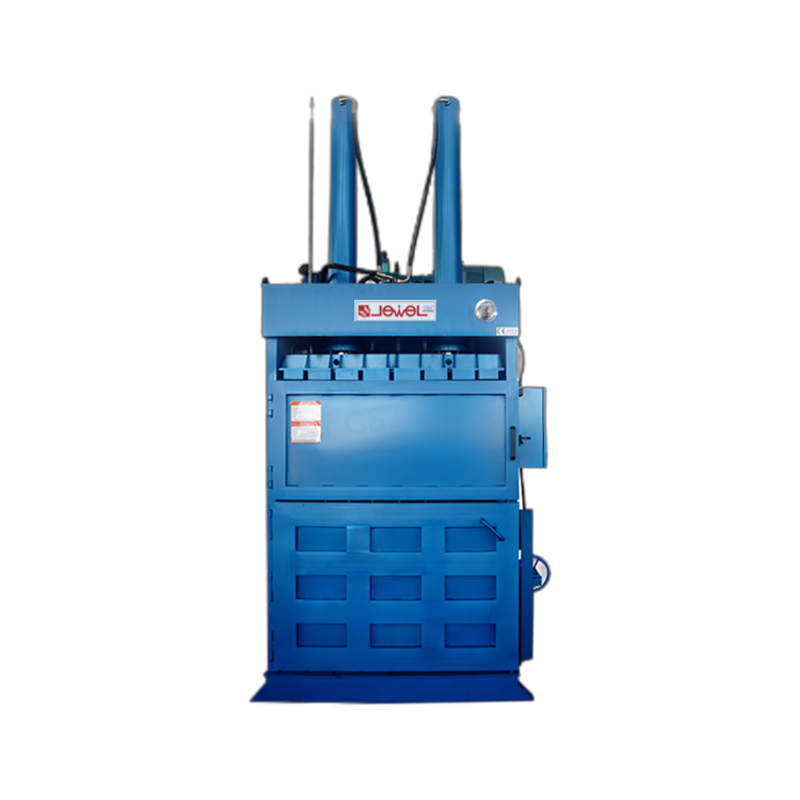
段ボール用ベーラーとは何ですか? 1 日あたり 2 トンの段ボール端材を生成する包装工場は、よくある問題に直面しています。バラの段ボールは 2 日足らずで 40 ヤードのコンテナを埋め尽くし、廃棄物の運搬請求書は毎月高騰し、リサイクル請負業者はより密度の高い、よりクリーンな素材を要...
続きを読むハードプラスチックキラー。自動車バンパーやタイヤ用の強力な圧縮。高硬度材料を処理するために構築された頑丈な構造。
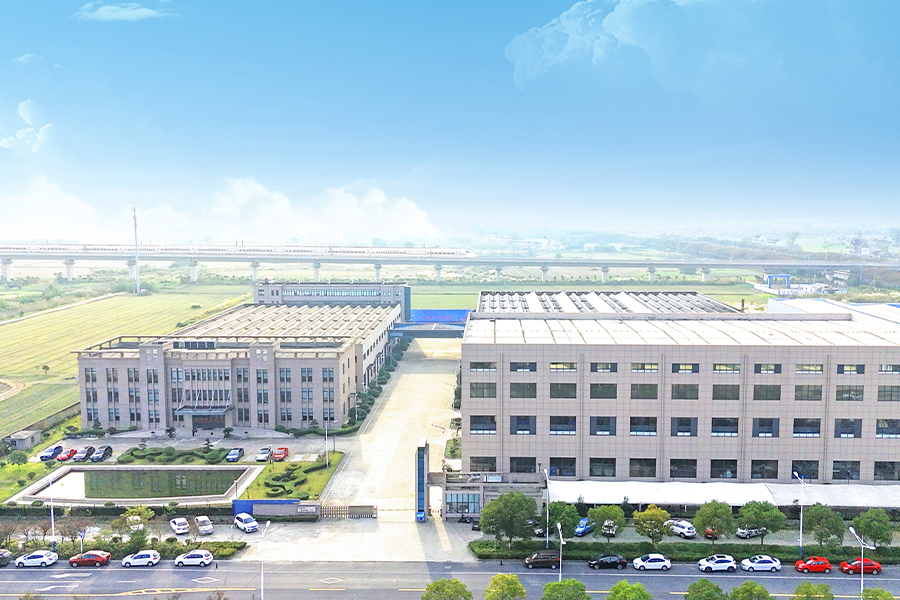
として 垂直タイヤ/ゴムベーラー メーカー および 垂直タイヤ/ゴムベーラー サプライヤー、Shanghai Jewel Tech Co., Ltd.は、2006年に設立され(ブランドは1995年に設立)、環境に優しいインテリジェントな圧縮・梱包装置の研究、開発、製造を専門としています。50,000平方メートルの近代的な生産施設と200人以上の専門家チームを誇ります。
豊富な製造経験を活かし、お客様に以下を提供します:
半自動/全自動圧縮・梱包機。さまざまな産業向けのインテリジェント廃棄物除去システム。自動圧縮・包装システム。統合型破砕・圧縮・梱包機。カスタマイズされた産業ソリューション。
段ボール用ベーラーとは何ですか? 1 日あたり 2 トンの段ボール端材を生成する包装工場は、よくある問題に直面しています。バラの段ボールは 2 日足らずで 40 ヤードのコンテナを埋め尽くし、廃棄物の運搬請求書は毎月高騰し、リサイクル請負業者はより密度の高い、よりクリーンな素材を要...
続きを読むまずは短い答えから 最近、段ボール工場の生産管理者が私に 2 枚の写真を見せてくれました。 1 つ目は、トラックに積み込まれるのを待っている、梱包された段ボールとプラスチックフィルムの壁でした。 2つ目は、食品で汚染された包装紙、濡れた紙、一般廃棄物であふれた開いた箱の列です。彼の質問は、私たち...
続きを読む大量の材料を圧縮するための横型ベーラー: 技術概要 大量のボール紙、プラスチックフィルム、繊維スクラップ、または金属切削片を生成する製造工場、配送センター、リサイクル施設は、生産ラインを遅らせることなく、かさばる廃棄物の流れを高密度で輸送可能な俵に減らすという、同じ繰り返しの運用上の課題に直面し...
続きを読む適切に設計された ベーラー機 廃棄物を圧縮するだけではなく、施設がスペース、労働力、外部物流を管理する方法が変わります。用途がボール紙、プラスチックフィルム、織物、金属容器のいずれであっても、適切なベール機械はシフトごとの処理時間を短縮し、ばらばらの材料を管理しやすい均...
続きを読むVertical rubber balers are widely used in industrial recycling facilities, manufacturing plants, tire processing centers, and waste management systems where rubber materials need to be compressed for storage and transportation. Rubber waste can vary significantly in hardness depending on its source, such as tire rubber, industrial rubber sheets, sealing materials, or molded rubber components. High-hardness rubber presents a specific challenge due to its strong elastic recovery and resistance to deformation. The ability of a vertical rubber baler to withstand long-term compression of such materials depends on structural reinforcement, hydraulic system capacity, and chamber design. Shanghai Jewel Tech Co., Ltd., with long-term experience in intelligent compression and baling equipment, develops systems designed to handle different material resistances through adaptable engineering configurations.
High-hardness rubber behaves differently from softer waste materials because it has strong elasticity and internal structural strength. When subjected to compression, it tends to resist deformation and gradually attempt to return to its original shape. This creates continuous pressure on the baler during long-term compression cycles. Vertical balers must therefore maintain consistent pressure over time to prevent bale loosening or rebound effects. In industrial applications, repeated compression cycles are required to gradually reduce air gaps and stabilize the material structure inside the bale chamber. This makes hydraulic consistency and mechanical rigidity essential for long-term operation.
Long-term compression of high-hardness rubber requires a reinforced machine structure capable of handling sustained mechanical stress. The frame must maintain alignment under continuous load, while the compression chamber must resist deformation caused by repeated high-pressure cycles. If structural rigidity is insufficient, long-term use may result in reduced compression efficiency or uneven bale formation. Shanghai Jewel Tech Co., Ltd. designs vertical balers with reinforced steel frameworks and optimized load distribution structures to support continuous operation in demanding industrial environments where rubber waste is processed regularly.
The hydraulic system is a key factor in determining whether a vertical rubber baler can handle high-hardness materials over long periods. Rubber with strong elasticity requires sustained pressure to achieve stable compression, which places continuous demand on hydraulic cylinders and seals. A stable hydraulic system ensures that pressure remains consistent throughout each compression cycle, preventing rebound effects that could reduce bale density. In industrial-grade systems, pressure control mechanisms are adjusted to accommodate varying material resistance levels, ensuring that compression force remains within operational limits without causing system instability.
Different types of rubber exhibit different behaviors during compression, which directly affects baler performance. The following table outlines typical differences in compression characteristics based on rubber hardness levels.
| Rubber Type | Material Characteristics | Compression Behavior | Equipment Load Level | Operational Consideration |
| Soft Rubber Waste | Low hardness, high flexibility | Easily compressible with minimal resistance | Low to moderate | Standard hydraulic settings are sufficient |
| Medium-Hard Rubber | Balanced elasticity and structural strength | Requires steady compression force | Moderate | Controlled pressure adjustment recommended |
| High-Hardness Rubber | Strong elasticity, high resistance to deformation | Requires sustained high-pressure compression | High | Reinforced system and stable hydraulic control required |
Continuous compression of high-hardness rubber can increase mechanical wear on key components such as hydraulic seals, chamber walls, and structural joints. Over time, repeated high-pressure cycles may lead to gradual fatigue in mechanical systems if not properly maintained. Vertical rubber balers designed for such conditions typically incorporate reinforced wear-resistant materials and accessible maintenance structures to support long-term operation. Regular inspection of hydraulic pressure stability and mechanical alignment helps maintain consistent performance during extended use cycles.
One of the main challenges in compressing high-hardness rubber is elastic recovery, where the material attempts to expand after pressure is released. To address this, vertical balers rely on sustained compression cycles and controlled pressure holding phases. System design must ensure that compression force is maintained long enough to allow internal stress redistribution within the rubber mass. Shanghai Jewel Tech Co., Ltd. incorporates hydraulic control strategies that support stable pressure retention, helping reduce rebound effects and improve bale formation consistency.
Vertical rubber balers can handle high-hardness rubber under long-term compression conditions when properly designed and operated within suitable parameters. Their suitability depends on structural reinforcement, hydraulic stability, and maintenance practices. In industrial rubber recycling applications such as tire processing or manufacturing waste management, these machines are often configured for continuous operation with controlled compression cycles. Shanghai Jewel Tech Co., Ltd. provides customized compression and baling solutions, including integrated crushing and baling systems, to adapt to varying rubber hardness levels and processing requirements across different industrial environments.
Q: What types of tire waste can a vertical tire baler process in recycling operations?
A: Vertical tire balers are typically used for processing used passenger car tires, light truck tires, and shredded rubber fragments depending on system configuration. In some industrial setups, pre-processed tire blocks or cut rubber pieces are also compressed. The equipment is designed to handle high-elasticity materials with strong rebound characteristics, which are common in tire recycling workflows.
Q: How does the elasticity of tire rubber affect compression stability in vertical balers?
A: Tire rubber has strong elastic recovery, which means it tends to expand after compression. This requires the baler to maintain consistent pressure over a controlled cycle to stabilize the material structure. Hydraulic stability and holding pressure time are important factors in ensuring that compressed tire bales maintain their shape during handling and storage.
Q: Can vertical tire balers operate efficiently without pre-shredding tire materials?
A: In some configurations, vertical tire balers can process whole or partially cut tires, but efficiency is generally higher when tires are pre-shredded or segmented. Pre-processing reduces air gaps and improves compression uniformity. Integrated crushing and compression systems, such as those developed by Shanghai Jewel Tech Co., Ltd., can improve overall workflow efficiency in tire recycling operations.
Q: What role does hydraulic pressure play in tire baling performance?
A: Hydraulic pressure determines how effectively tire materials are compressed and maintained in a stable bale form. Because tires are resilient and difficult to deform permanently, consistent hydraulic force is required throughout the compression cycle. Pressure stability helps reduce rebound effects and ensures more uniform bale density during repeated operation.
Q: How does long-term tire compression impact equipment wear?
A: Continuous processing of tire materials can increase mechanical wear due to their high elasticity and abrasive nature. Components such as sealing systems, chamber surfaces, and hydraulic cylinders may experience gradual stress over time. Regular maintenance and the use of reinforced structural materials help extend equipment service life in such demanding applications.
Q: Can vertical tire balers be integrated into automated recycling production lines?
A: Yes, vertical tire balers can be integrated with shredders, conveyors, and sorting systems to create a continuous tire recycling workflow. In automated systems, tires can be fed, processed, and compressed with reduced manual intervention. Shanghai Jewel Tech Co., Ltd. provides customized solutions that support integration of multiple waste processing stages.
Q: What operational factors should be considered when handling mixed tire waste streams?
A: Mixed tire waste may include different sizes, levels of wear, and contamination from road debris or metal components. These variations affect feeding consistency and compression behavior. Adjusting hydraulic settings and ensuring proper pre-sorting can help maintain stable baling performance across variable material inputs.
Q: How does chamber design influence tire compression efficiency?
A: Chamber design affects how evenly tire materials are distributed during compression. A reinforced and well-structured chamber helps manage uneven pressure distribution caused by irregular tire shapes. This contributes to more stable bale formation and reduces the risk of material rebound after compression cycles.

